

Best uses for culinary mushrooms
About 90% of the mushrooms consumed in the United States are of the white button variety, and with good reason. The popular fungi is hearty enough to withstand refrigerated storage, firm enough that it isn’t damaged in a fast-moving kitchen and mild enough to suit most American palates.
When most pizza enthusiasts envision a mushroom pie, the image they conjure is one covered in white button mushrooms, whether applied raw and baked along with other fresh toppings, par baked before application or sautéed in advance to lend a rich, savory flavor. But did you know that the white button mushroom is a younger version of the brown cremini and the large, meaty portobello? When cut at the stem, white button mushrooms are suspended in time, before they can develop a brown exterior (cremini) or thick, wide cap (portobello).
Regardless of which fungi your dish calls for, it’s important to know how to select the best mushrooms as well as clean and store them. We sought out the Missouri-based Mushroom Council to learn about how to choose the top of the crop and keep fungi in great condition.
Selecting, Cleaning and Storing Mushrooms
Selecting the Best Mushrooms
Fungi for cooking should have a smooth appearance and firm texture. The skin of mushrooms should be plump and dry – never slimy. Once sliced, mushrooms should be consumed within three days. While purchasing pre-sliced mushrooms saves prep time, it is only advisable if you are certain you’ll sell through inventory within 72 hours. Slicing mushrooms as part of prep work at the start of a shift will ensure customers get the best experience.

Cleaning Mushrooms
Mature or open-veil mushrooms – where the cap has broken away from the stem, exposing the gills, can be cleaned using a damp paper towel. Closed-veil mushrooms –which have caps still tightly attached to the stem – can be brushed off or rinsed in cold water and patted dry. Don’t let mushrooms soak in water, as they are absorbent. If the mushrooms purchased from your local farmers market or distributor have tough stems, trim them until what remains is firm but tender. Stems of shiitake mushrooms, for example, typically are removed before use.
Mushroom Storage
Whole, raw mushrooms can remain fresh for up to one week when refrigerated. They are best stored in their original containers or in a paper bag; beware of plastic bags or cling wrap that can trap moisture and can cause fungi to spoil more quickly. While uncooked mushrooms should not be frozen, sauteed mushrooms can be packed and stored in the freezer for up to one month. As when cleaning the produce, keep mushrooms away from water so they do not absorb unwanted moisture.
According to the 2026 Pizzeria Industry Trends Report produced by Pizza Today, mushrooms are the third most-popular pizza topping. And while white button mushrooms are the most widely available, U.S. pizzerias increasingly are willing to experiment with other fungi varieties on pizzas as well as in salads and appetizers.
For example, Mellow Mushroom’s Holy Shiitake pizza is topped with roasted shiitake, button and portobello mushrooms and finished with a swirl of black truffle oil. At Heights Pizzeria, a Neapolitan spot in Little Rock, Arkansas, a recent special included lion’s mane and oyster mushrooms with truffle oil.
Keep reading to learn about the most popular culinary mushrooms and how pizzerias can utilize them to keep menus fresh and exciting.

adobestock.com/channarongsds
Beech
Bitter when eaten raw, these crunchy mushrooms become sweet when cooked. They grow in clusters called bouquets – often at the foot of beech trees, hence the name – and are popular in Asian dishes such as stir fries and soups. Beech mushrooms also make an excellent garnish for pasta and risotto, as they have tall, slender stems with white caps that turn dark when mature.

adobestock.com/channarongsds
Black Trumpet
Known for its intense, earthy flavor, the black trumpet mushroom is known as the “poor man’s truffle.” Due to its cost ($30-$40 per pound), some chefs opt to dry and grind the black trumpet, using its powder as a seasoning. Other ingredients can pick up fresh black trumpets’ dark color, so be cautious when adding to cream-based sauces and use a light hand: Dishes can turn bitter with too much of this fungi.

adobestock.com/channarongsds
Button
The humble button mushroom’s mild flavor and firm snap when raw takes on an umami flavor and tender texture when sautéed. Sautéing sliced white mushrooms in bacon grease or Worcestershire sauce adds a smoky flavor, while soy sauce might be the right choice for fusion dishes such as a Thai chicken pizza.

adobestock.com/ channarongsds
Chanterelle
A beauty of the mushroom family, the chanterelle is notable with cooks for its fruity aroma and peppery taste. This variety comes in white, yellow and orange, with flesh that is firm when raw but best consumed thoroughly cooked and fork tender. Chanterelles can be stored longer than most mushrooms – up to 10 days in the refrigerator. A classic preparation is sautéed with butter, garlic and white wine.

adobestock.com/ channarongsds
Cremini
Sometimes referred to as baby bellas, cremini mushrooms sport a brown cap tightly adhered to the stem. They are firmer than button mushrooms, meaning they stand up well to cooking. While cremini can be used interchangeably with buttons, they have a bit more flavor, making them well suited for risotto and the perfect size for stuffed mushrooms.

adobestock.com/ channarongsds
Lion’s Mane
This ball of white fluff exploded into the public eye in recent years due to its purported health benefits, such as improving metabolism and cognition. Singular in both appearance and taste, it is said to have both the flavor and texture of seafood. When it comes to cooking, it’s key to slice this fungi and cook at high heat, prompting it to release its water content (up to 95% by weight).

adobestock.com/ channarongsds
Maitake
This mushroom is commonly known among foragers as Hen of the Woods, since it often grows at the base of oak trees and has a distinctive shape resembling the tailfeathers of a hen. Fresh versions should appear plump and not dried out. When cooked, the maitake is chewy with a rich flavor that can be enhanced with a squeeze of fresh lemon juice.
adobestock.com/ channarongsds
Porcini
Widely available in Italy, porcinis are easy to source both dried and fresh. They are a popular addition to mushroom ravioli and pair well with both red and white wines. Often served over pasta with cream sauce, porcinis also makes a tasty snack when cooked until crispy in a cast iron pan with olive oil, garlic and chili flakes.

adobestock.com/ channarongsds
Portobello
A white button gone wild, the portobello has a firm, meaty cap commonly used in sandwiches. One national burger chain stuffs the caps with cheese and fries them, creating a melty flavor explosion … meat who? Unlike the smaller button and cremini varieties, portobello is set apart by its large, visible gills. Consider sprinkling them with salt and letting sit for 30 minutes or cooking gills-side-down to ensure excess moisture is not trapped inside.

adobestock.com/ channarongsds
Shiitake
A favorite mushroom among chefs, shiitakes have a smooth cap with visible gills underneath. The variety has a savory, woody flavor that intensifies in depth when cooked. Stems that have become tough during transport should be removed during the prep stage. Marinated in soy sauce with herbs and then placed in a food dehydrator, shitakes transform into a jerky that can be broken into bits and sprinkled on salads or Asian fusion pizzas.

adobestock.com/ studioworkstock
Truffles
A favorite mushroom among chefs, shiitakes have a smooth cap with visible gills underneath. The variety has a savory, woody flavor that intensifies in depth when cooked. Stems that have become tough during transport should be removed during the prep stage. Marinated in soy sauce with herbs and then placed in a food dehydrator, shitakes transform into a jerky that can be broken into bits and sprinkled on salads or Asian fusion pizzas.
adobestock.com/ channarongsds
Trumpet
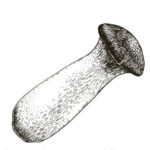
Also known as oyster mushrooms, trumpets are meaty with a delicate, nutty flavor that shines when grilled. The flesh can be shredded and doused in sauce to create veggie sandwiches that are a cut above. King trumpet varieties are hearty enough to serve as a meat substitute; when cut into medallions, the stalk resembles scallops in appearance and texture.